
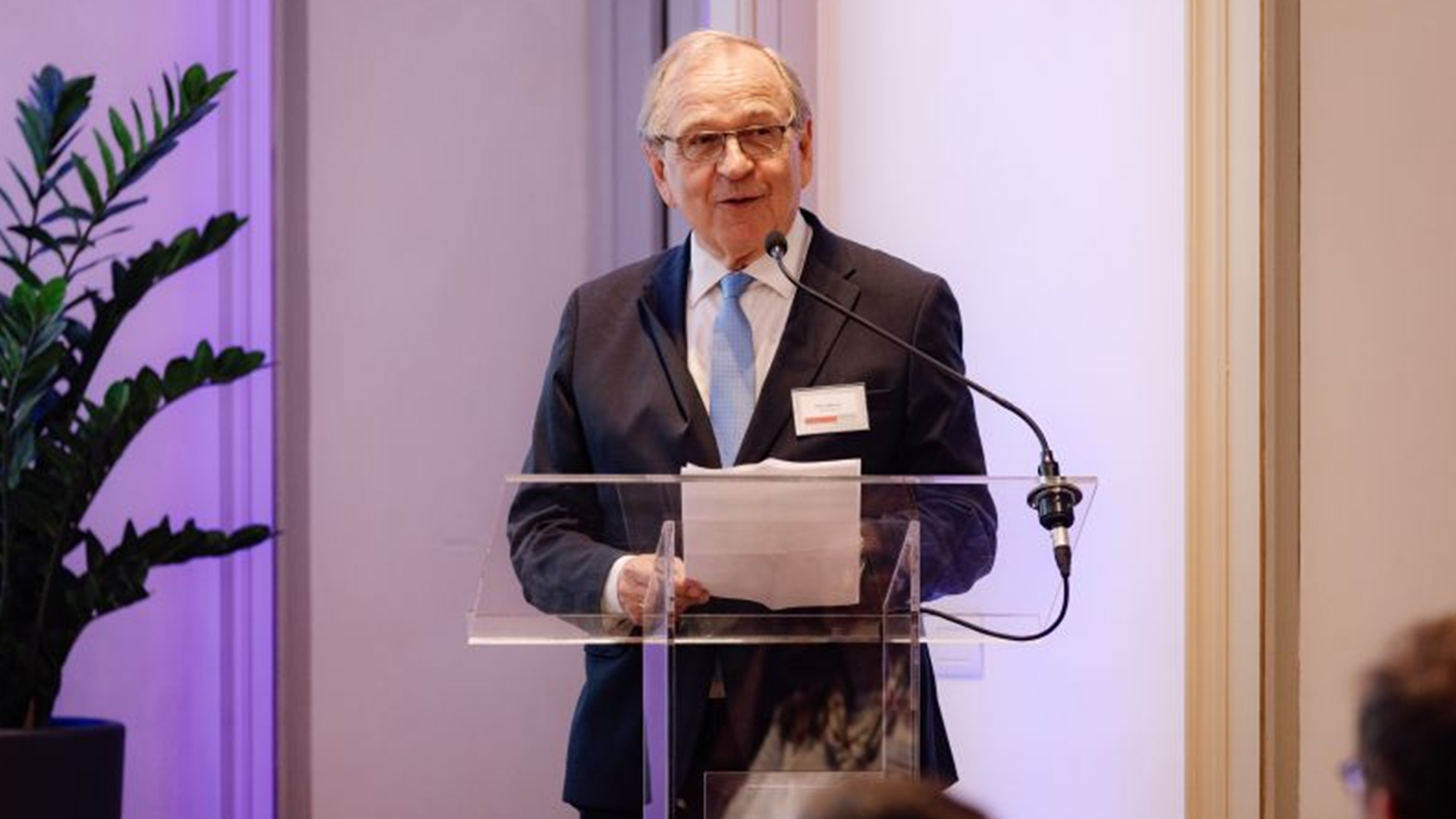
In June 2025, the trustees of the IFRS Foundation gathered in Milan, Italy, for an important meeting to discuss the future of IFRS standards. The purpose of this meeting is to improve global financial reporting by strengthening important areas such as IFRS lease accounting, IAS IFRS frameworks, and expected credit loss IFRS 9. With International Financial Reporting Standards (IFRS) used in more than 140 countries, the goal is to make financial reporting clearer, more reliable, and easier to compare.
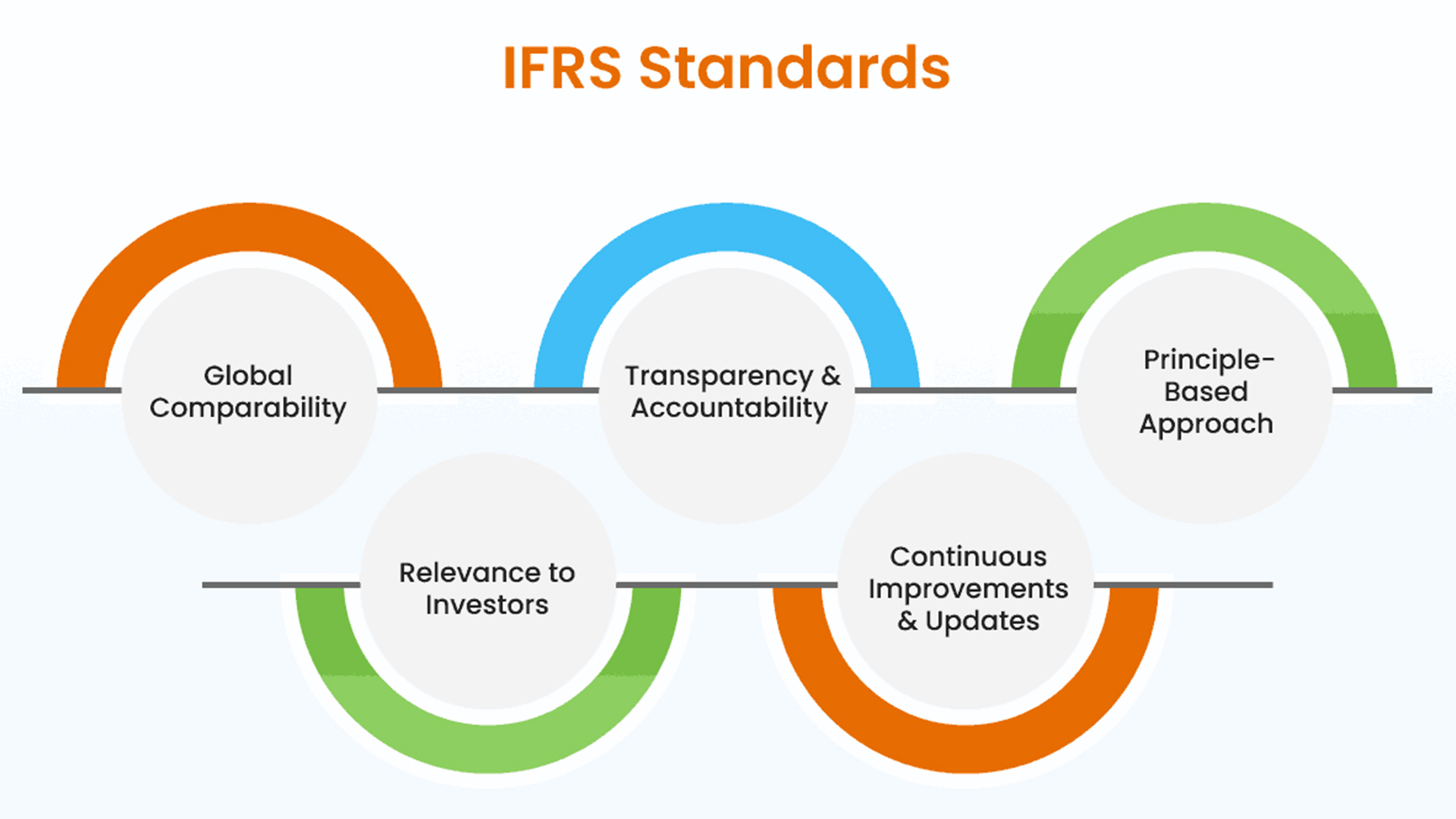
The trustees at the Milan meeting strongly supported the ongoing adoption and development of IFRS standards. These standards form a common foundation for how companies across the world prepare and present their financial details. Due to international financial reporting standards, companies in over 140 countries now use the same system for financial reporting.
When companies use the same reporting rules, it becomes easier for investors, regulators, and analysts to compare financial information. This boosts transparency and builds trust in the global financial system. During the meeting, Trustees discussed ways to enhance the reach and ease of use of IFRS international financial reporting standards. They agreed on the need to adapt these standards to the needs of modern businesses and global markets.
The trustees also considered feedback from countries and companies already using IFRS standards, particularly those in developing economies. The goal is to make it easier for businesses, large or small, to apply the standards effectively.
A major topic at the meeting was IFRS lease accounting, which has brought significant changes to financial reporting. This standard requires companies to report all lease agreements on their balance sheets. That means companies must now show lease liabilities (what they owe) and right-of-use assets (what they use) more visibly.
The trustees reviewed how well IFRS lease accounting has been adopted across different industries and countries. While many large organizations have successfully implemented the standard, some smaller companies still face challenges. The trustees discussed whether more guidance is needed for those who find the rules too complex.
They also discussed whether the current version of IFRS lease accounting effectively achieves its objectives. Some users feel that more clarity is required, mainly on short-term leases, variable payments, and lease modifications. The foundation plans to consider whether updates to the standard improve both understanding and compliance.
The trustees aim to improve the IFRS lease rules. This will help make reports clearer and show investors how leases affect a company’s money.
Another important discussion was on expected credit loss IFRS 9, which is especially important for banks and other lenders. This part of the IFRS standards requires companies to estimate and report possible loan losses much earlier before they occur. The goal is to help financial institutions prepare for potential risks in advance.
The trustees examined how different companies have applied the expected credit loss provisions of IFRS 9 since its introduction. They focused on how it performed during recent economic pressures, including inflation, interest rate changes, and global financial uncertainty. They also discussed whether the rule helped protect against sudden losses during tough times.
One concern raised was the difficulty smaller banks face in estimating future credit losses accurately. The trustees agreed that clearer guidance is needed for IFRS 9. They also saw the need for better tools, mainly for institutions with fewer resources.
They also discussed how this standard relates to broader efforts to strengthen the global financial system. By ensuring that credit losses are recorded sooner, IFRS standards help reduce shocks in financial markets and build long-term stability.

The trustees also focused on the core structure of IFRS standards, known as the IAS IFRS framework. This framework includes the older International Accounting Standards (IAS) and the newer IFRS international financial reporting standards developed by the International Accounting Standards Board (IASB).
The IAS IFRS framework has made financial reporting better and more reliable over time. Because of new technology and complex businesses, the trustees think it needs to be updated.
They explored how to make the IAS IFRS structure more flexible so it can respond to new risks such as cyber security threats, climate change, and changes in the digital economy. A strong structure will not only improve economic reporting but will also make it easy for more countries to become members of the global IFRS standards system.
The trustees also discussed ways to support smaller companies and emerging markets in adopting international financial reporting standards. This may involve simplifying the requirements or providing more training and support to help new users get started with confidence.
Keeping IFRS international financial reporting standards updated is a top priority for the IFRS Foundation. The trustees talked about maintaining the quality and usefulness of the IFRS standards in a changing world at the Milan meeting.
They emphasized the importance of working with national standard-setters, regulators, and users to gather real-world feedback. This helps to ensure that standards updates are practical and meet the needs of companies and investors equally.
The trustees also discussed plans to support new digital tools that make it easier to implement IFRS standards. These tools could help automate parts of financial reporting and improve accuracy. They also emphasized the importance of seeking out training programs, translated resources, and expert guidance, especially for the new people for IFRS international financial reporting standards.
In a world where trust and transparency matter more than ever, maintaining IFRS standards as relevant, accessible, and easy to use is crucial.
The IFRS Foundation’s meeting in Milan was a major step toward improving financial reporting around the world. With a focus on IFRS lease accounting, expected credit loss IFRS 9, and the IAS IFRS framework, the trustees are working to keep IFRS standards strong, fair, and future-ready. As the world economy continues to grow and evolve, effective financial reporting rules are crucial. The trustees’ work helps businesses, investors, and regulators trust the reports and make smart decisions.
Stay updated with HubDigit for the latest in IFRS and global finance.
1. Who is the CEO of the IFRS Foundation?
The CEO of the IFRS Foundation is Michel Madelain. He was appointed as the new Managing Director by the IFRS Foundation Trustees.
2. Who funds the IFRS Foundation?
The IFRS Foundation is funded through voluntary contributions from countries, seed funding for the ISSB, grants from charities, and donations from companies.
3. How many members are in the IFRS interpretations committee?
The Committee comprises fourteen voting members appointed by the IFRS Foundation Trustees for renewable terms of three years.
Get latest updates and offers.
HubDigit is a progressive management consulting that focuses on application of cutting edge technologies
© 2022 HubDigit All Rights Reserved