
In the world of accounting, two main systems are used to report financial information: GAAP and IFRS. These systems help companies to be transparent and consistent in how they share their financial data. But when it comes to GAAP vs IFRS, there are some great differences that every business owner should understand.
If you’re wondering, What is the difference between IFRS and GAAP? or Why is IFRS not used in the US?, you’re in the right place. Let’s break it down in simple terms.
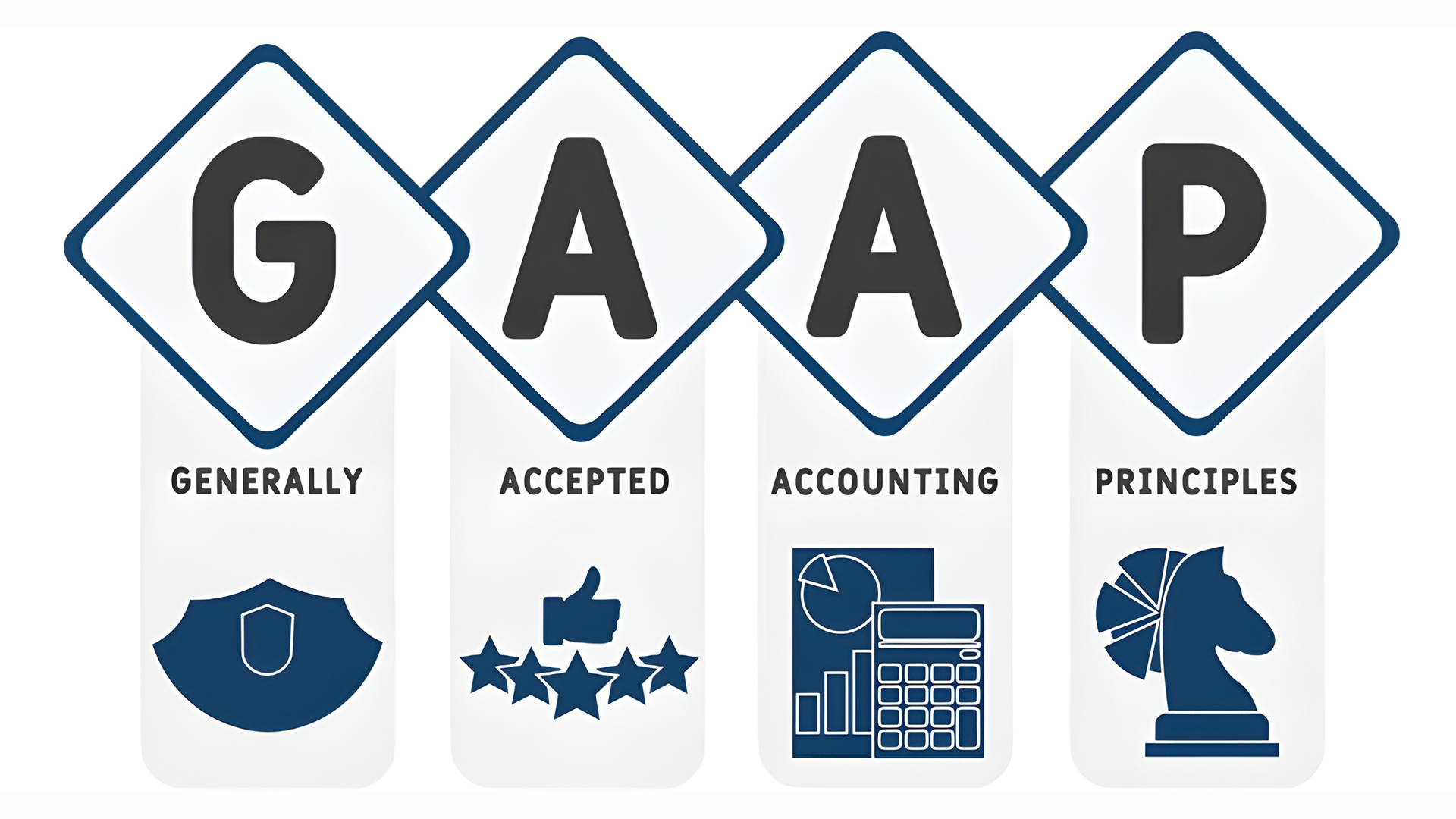
GAAP, or Generally Accepted Accounting Principles, is the standard accounting framework used in the United States. These principles are developed and maintained by the Financial Accounting Standards Board (FASB) and are used by the U.S. Securities and Exchange Commission (SEC) for public companies.
GAAP is mandatory for all publicly traded U.S. companies and is also used by many private companies and government bodies.
IFRS, or International Financial Reporting Standards, is a global accounting standard developed by the International Accounting Standards Board (IASB). It is used in more than 140 countries, including the UK, Canada, Australia, and most of the EU.
Many multinational companies prefer IFRS to simplify global financial reporting.
The GAAP vs IFRS comparison covers several technical areas. Below are the top five differences:
This means GAAP leaves little room for interpretation, while IFRS allows flexibility based on the business’s nature.
Here’s how they compare:
Method | GAAP | IFRS |
FIFO | ✅ | ✅ |
LIFO | ✅ | ❌ |
Weighted Avg | ✅ | ✅ |
U.S. companies use LIFO to lower taxes during inflation. Since IFRS doesn’t allow LIFO, GAAP companies may show lower profits than those using IFRS.
This gives IFRS a more dynamic and realistic approach to changing business conditions.
This can lead to significant differences in how R&D-heavy companies report profits.
IFRS also uses different terminology (e.g., “Statement of Financial Position” instead of “Balance Sheet”).
The U.S. has been using GAAP for many decades. It’s deeply embedded in American laws, tax systems, and financial training. Switching to IFRS would require:
Although the SEC has considered adopting IFRS, no final decision has been made. GAAP remains the primary standard in the U.S. for now.
The answer depends on the type of company.
So yes, some U.S. companies can use IFRS, but public companies must stick to GAAP.

There’s no easy answer in the GAAP vs IFRS debate. Both have strengths and weaknesses.
Factor | GAAP | IFRS |
Detail | High | Medium |
Flexibility | Low | High |
U.S. Suitability | ✅ | ❌ |
Global Compatibility | ❌ | ✅ |
Understanding GAAP vs IFRS prepares you for more intelligent decision-making and global readiness. Understanding the key differences between GAAP and IFRS enables you to prepare for compliance, build self-confidence, and foster professional development. Each structure has its strengths, but the best option depends on where you do business and who you report to. For expert help navigating the numbers, trust Hubdigit—your partner in smarter financial decisions.
1. What are the major differences between IFRS and GAAP?
GAAP is a framework based on legal authority, while IFRS is based on a principles-based approach.
2. Which of the following differs in GAAP and IFRS?
The primary difference between the two systems is that GAAP is rules-based and IFRS is principles-based. This difference appears in specific details and interpretations.
3. What are the four principles of IFRS?
IFRS consist of four key principles for preparing financial statements: clarity, relevance, reliability, and comparability.
Get latest updates and offers.
HubDigit is a progressive management consulting that focuses on application of cutting edge technologies
© 2022 HubDigit All Rights Reserved