

Want to cut costs and boost productivity without stretching your team too thin? That’s where Business Process Outsourcing (BPO) comes in. More and more companies are turning to outsourcing to stay efficient, competitive, and focused on what matters most. But with so many business process outsourcing types available, it’s important to understand which one fits your strategy. Discover types of BPO services, smart BPO models, and learn how to choose the right one. Whether you want to improve operations or grow faster, BPO for business goals helps you achieve success.

Business Process Outsourcing involves contracting specific business functions for third-party service providers. These tasks can support customer service and IT accounts and human resources. Companies can save money, work better, and get expert help by using BPO.
BPO services are grouped by what they do and where the providers are. Knowing these types of BPO services helps companies choose the right BPO model.
Back-office BPO handles internal tasks that don’t deal with customers directly. These support jobs help the business run well, but aren’t part of customer service. Common services include:
Outsourcing this saves time and money, and lets companies focus on key tasks like customers or sales.
Front-office BPO handles tasks where you talk directly to customers. These services help shape your brand and make the customer experience better. Common front-office services include:
Businesses use front-office BPO to keep customers happy, reach more people, and grow their sales without needing a big team in-house.
Offshore BPO means outsourcing to a distant country in a different time zone. It saves money and provides skilled workers. Many businesses use it for IT support, customer service, and data processing.
Popular offshore BPO destinations include:
Offshore BPO is ideal for businesses looking to cut costs while accessing a large talent pool.
Nearshore BPO is outsourcing to a nearby country, often in the same time zone. For example, a U.S. company might choose Mexico or Canada.
This type of BPO offers many advantages:
Nearshore BPO is a good option for companies that want cost savings but also value closer working relationships and real-time collaboration.
Onshore BPO means hiring a company in the same country. For example, a business in New York might hire a payroll company in Texas.
Advantages of onshore BPO include:
Onshore BPO can be more expensive than offshore or nearshore. But it’s a good choice when you need strong security, follow local rules, or work closely with the team.
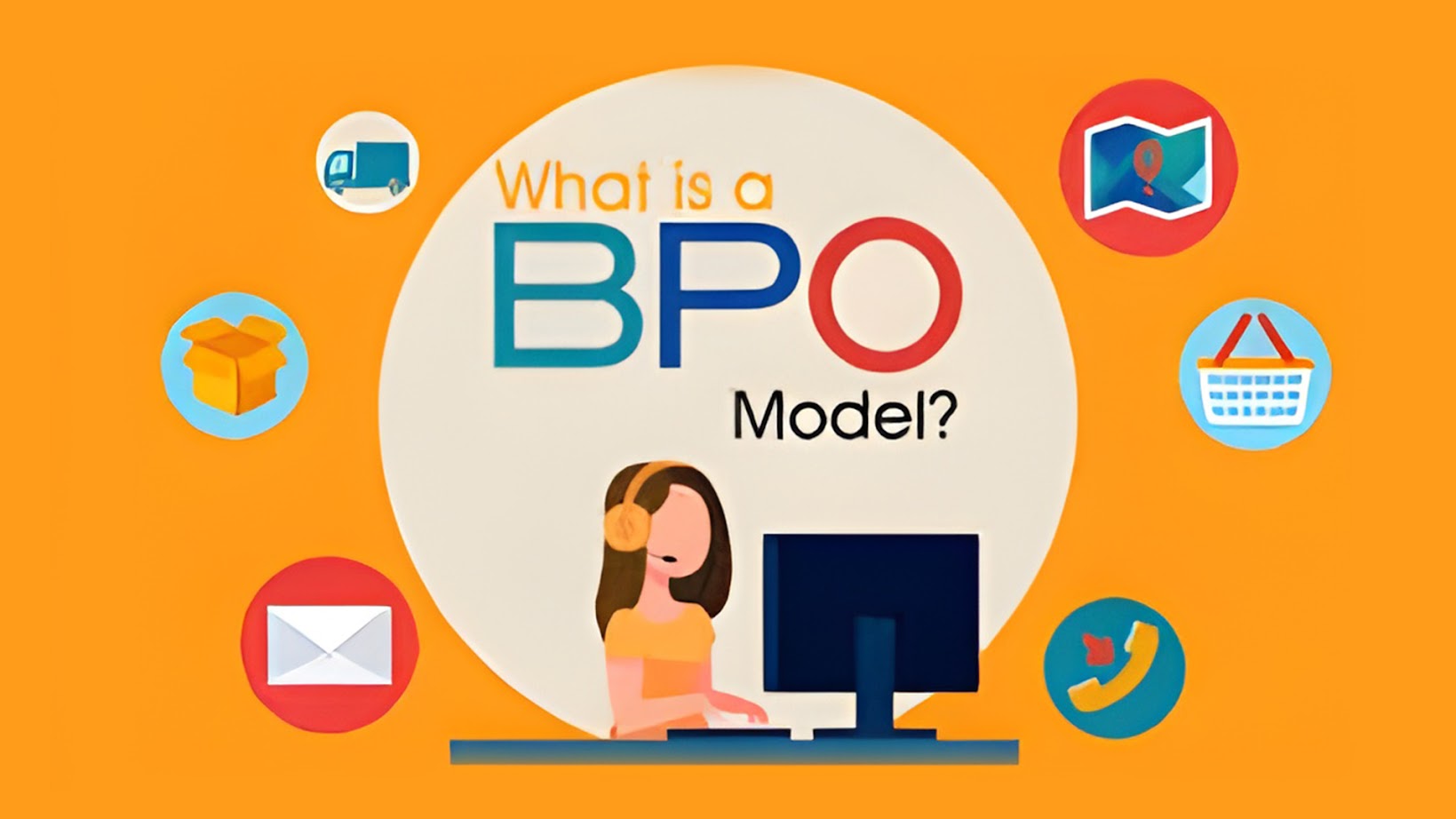
Choosing the right BPO model is important to reaching business goals. Common BPO models include:
Each BPO model gives you different levels of control, flexibility, and cost.
Consider these points when using BPO for business goals:
Choosing the right BPO means looking at what your business needs most.
Mastering the different types of BPO services, business process outsourcing types, and BPO models is important. It helps you build an outsourcing strategy that moves your business forward. Front-office BPO helps boost customer satisfaction. Back-office BPO makes your operations smoother and more efficient, leading to higher profits. Choosing the right BPO for business goals helps businesses succeed. It gives them a competitive edge and drives lasting success.
Stay updated on BPO trends with HubDigit.
1. What are the goals of BPO?
The primary goal is to cut costs, free up time, and focus on core aspects of the business.
2. What is the business model of BPO?
A BPO model refers to a specific method of outsourcing processes.
3. What type of business is a BPO company?
Business process outsourcing (BPO) is the act of outsourcing some aspect of your business’s operations to a third-party vendor or service provider.
Get latest updates and offers.
HubDigit is a progressive management consulting that focuses on application of cutting edge technologies
© 2022 HubDigit All Rights Reserved