
The accounting cycle is like a roadmap for your business finances. It shows how every transaction moves through your records from the moment it happens to the final reports. If you are tracking bills in the accounts payable cycle or waiting on payments in the accounts receivable cycle, understanding the full accounting process helps you stay in control.
This blog explains the accounting cycle and how payables and receivables work. You’ll also find a quick cheat sheet and advice on why tracking receivable collection time matters.
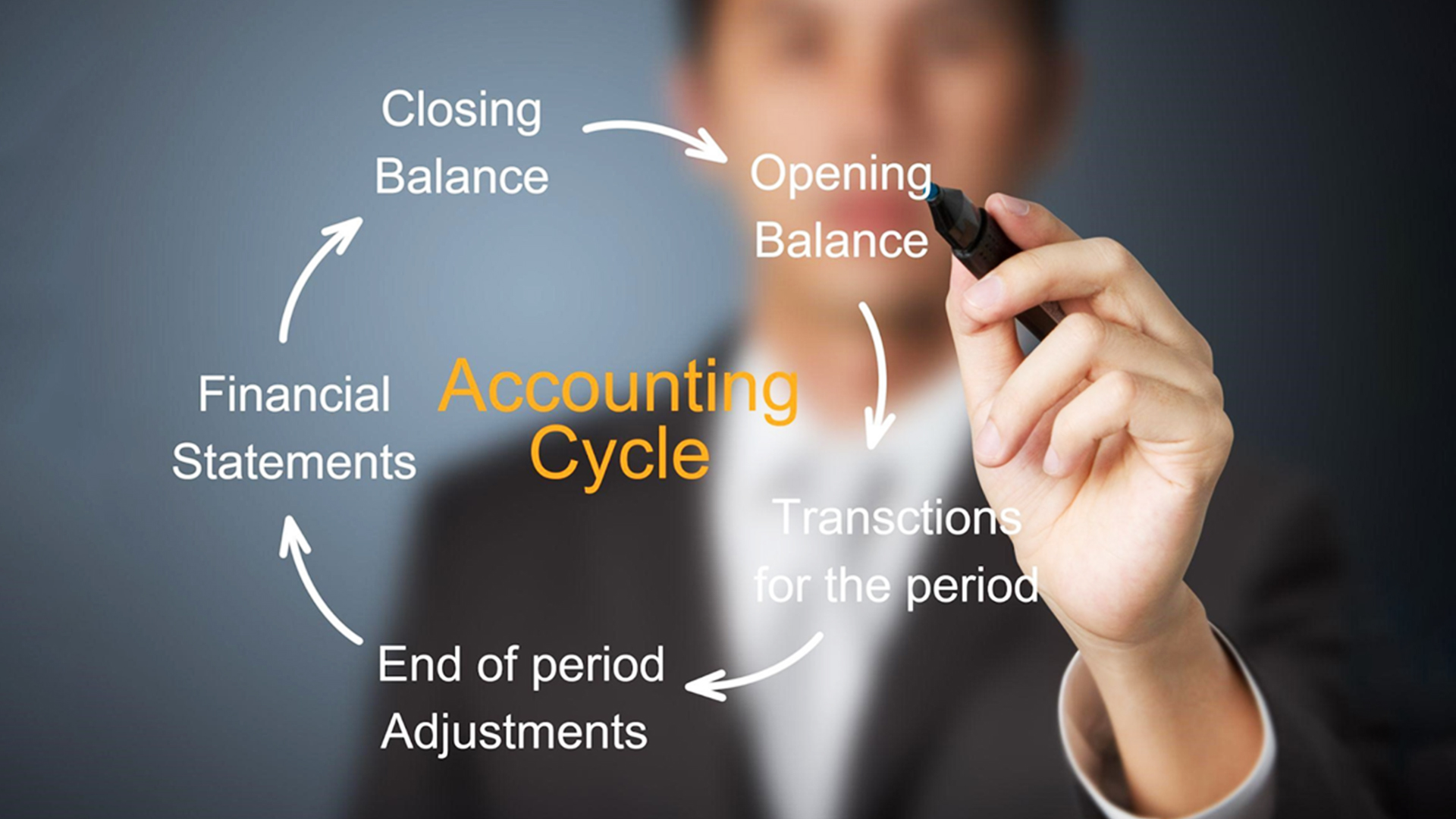
The accounting cycle in financial accounting is a nine-step process businesses use to track and report their financial activities. These steps help companies make sure their records are correct and complete.
Follow these nine steps to track a company’s financial activities clearly.
Goal: Understand what each transaction means for the company.
How: Look at source documents like invoices, receipts, and bank statements. Check what kind of transaction happened and which accounts it affects.
Example: Selling a product, buying supplies, or returning items.
Goal: Write each transaction in the journal.
How: Note the date, account names, and amounts for debit and credit. Add a short description, too.
Use double-entry accounting – one debit and one credit for every transaction.
Goal: Move journal entries into the Ledger.
How: Update all accounts with the debit and credit amounts. This helps track the balances of each account.
The General Ledger shows a full record of all transactions.
Goal: Make sure total debits equal total credits.
How: List all account balances from the ledger. Add up the debit and credit columns. If the totals don’t match, check for errors. Even if they do match, errors may still exist.
Goal: Record updates like unpaid bills or unearned income.
How: Add entries for things like rent due, taxes, or prepaid items. These show the real situation of the company.
Adjusting entries are recorded in both the journal and ledger.
Goal: Double-check if debits still equal credits after adjustments.
How: Make a new trial balance with updated account totals.
This step makes sure everything is ready for financial statements.
Goal: Show how the company is doing financially.
How: Use the adjusted trial balance to make these reports:
Goal: Close temporary accounts for the year.
How: Move the balances of revenue, expense, and dividends to the capital account.
This resets these accounts to zero for the new year. Only temporary accounts are closed.
Goal: Make sure everything is ready for the next period.
How: Make a final trial balance with only permanent accounts (assets, liabilities, and equity).
Check that debits still equal credits. Fix any mistakes if needed.
The accounts payable cycle shows how a company pays for goods and services. It starts when you place an order and ends when you pay your supplier.
A good accounts payable cycle helps avoid late fees and keeps vendors happy. It also gives a clear view of what the company owes.
The accounts receivable cycle tracks money customers owe your business. It begins when you send an invoice and ends when you receive the payment.
The accounts receivable cycle helps track money coming in. It makes sure customers pay on time to keep your business strong.
The accounts receivable collection period is the average number of days it takes for customers to pay their invoices. This number is important for understanding how fast your business collects money.
Formula:
Accounts Receivable Collection Period ÷ (Net Credit Sales ÷ 365)
A short collection period means you get paid faster and have better cash flow. A long period may mean you need to check your credit rules or follow-up steps.
Below is a quick cheat sheet to help you remember the steps of the accounting cycle.
Step | What Happens | Related Cycle |
1 | Identify transactions | AP & AR |
2 | Record journal entries | AP & AR |
3 | Post to ledger | AP & AR |
4 | Unadjusted trial balance | – |
5 | Adjust entries | – |
6 | Adjusted trial balance | – |
7 | Financial statements | – |
8 | Close the books | – |
9 | Post-closing trial balance | – |
This accounting cycle cheat sheet shows how the accounts payable cycle and accounts receivable cycle fits into the bigger picture.
The accounting cycle in financial accounting gives a full view of your company’s money. It keeps records clear, helps create accurate reports, and ensures you follow financial rules. When the accounts payable cycle runs smoothly, you avoid debt and build trust with vendors. A well-managed accounts receivable cycle ensures that cash continues to flow into the business.
Using the accounting cycle cheat sheet makes everything easier and more organized. Checking the accounts receivable collection period indicates whether your payment system is functioning effectively.
Understanding the accounting cycle in financial accounting helps you make better decisions. By managing both the accounts payable cycle and the accounts receivable cycle, your business can stay on top of payments and collections. Use the accounting cycle cheat sheet as a handy reminder. And don’t forget to monitor your accounts receivable collection period to improve cash flow and keep your business strong.
Need support? HubDigit can help simplify your accounting. Contact us today.
1. How do you learn accounting step by step?
Learn basic concepts first, such as reports, equations, and entries. Then, move to rules like IFRS or GAAP.
2. How many required steps are in the accounting cycle?
There are eight steps in the accounting cycle. These steps help track each transaction and keep business records accurate.
3, What is the accounting cycle PPT?
The accounting cycle has eight steps. It starts with a transaction and ends with making financial reports.
Get latest updates and offers.
HubDigit is a progressive management consulting that focuses on application of cutting edge technologies
© 2022 HubDigit All Rights Reserved