

Inventory Accounting 101: How to Manage and Track Inventory Correctly

performance reviews and compensation

If you sell products, your inventory is one of your biggest assets. But keeping track of it isn’t just about counting boxes; it’s about knowing the value of your stock and recording it correctly in your books. This is called inventory accounting, and it’s a skill every business owner and accountant should master.

In this guide, we’ll cover the basics of how to manage inventory, compare perpetual vs periodic inventory systems, explain how to track inventory manually, and look at the benefits of using inventory software for accountants. We’ll also share some tips on inventory management for small businesses so you can avoid costly mistakes.
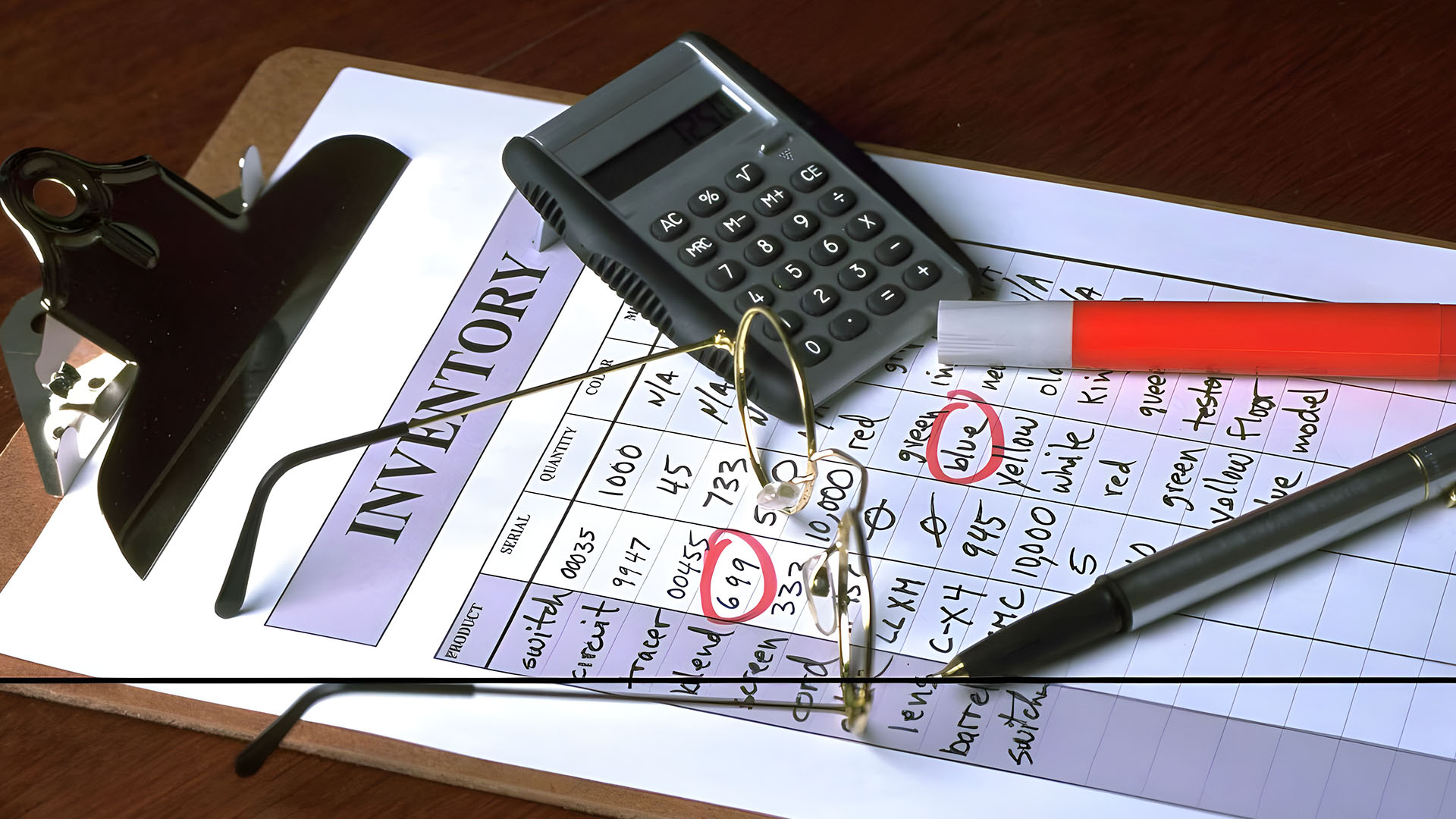
What Is Inventory Accounting?

Inventory accounting is the process of tracking, valuing, and recording your stock in your financial records.
Here’s why it matters:

  • It shows the true value of your assets.
  • It helps calculate the cost of goods sold (COGS).
  • It keeps your profit and loss statements accurate.

When you sell an item, its cost moves from inventory to COGS. This process ensures your financial reports reflect your real business performance.

Knowing how to manage inventory begins with understanding that inventory is more than just items on a shelf; it’s a key part of your company’s financial health.

How to Manage Inventory

Managing inventory means keeping the right amount of stock so you can meet customer demand without overbuying. Good management helps reduce waste, improve cash flow, and keep customers happy.

Here’s how to manage inventory effectively:

  1. Know Your Stock Levels: Always know how much of each product you have.
  2. Use the Right Tracking System: Choose between perpetual vs periodic inventory depending on your needs.
  3. Set Reorder Points: Decide the minimum quantity you can have before reordering.
  4. Organise Your Storage: Keep products labelled and easy to find.
  5. Review Sales Trends: Use past data to forecast future demand.
  6. Check for Damages or Expired Stock: Regularly remove unsellable items.

Perpetual vs Periodic Inventory

A big part of inventory accounting is deciding how you’ll track inventory. There are two main systems: perpetual vs periodic inventory.

Perpetual Inventory
  • Updates your records in real time every time a sale or purchase happens.
  • Uses barcode scanners, point-of-sale systems, or RFID tags.
  • Gives accurate, up-to-the-minute data.
Periodic Inventory
  • Updates your records only after a physical count (usually monthly, quarterly, or yearly).
  • Doesn’t require expensive technology.
  • Works well for smaller businesses with less stock movement.

For inventory management for small business, a perpetual system gives better accuracy, but a periodic system can still work if you have limited resources.

Inventory Valuation Methods

Once you know how to manage inventory, you also need to decide how to value it. The three most common methods in inventory accounting are:

  • FIFO (First In, First Out): The oldest items are sold first.
  • LIFO (Last In, First Out): The newest items are sold first.
  • Average Cost: The cost of all items is averaged.

Each method affects your profits and taxes differently. For example, FIFO usually shows higher profits in times of rising prices, while LIFO can lower taxable income in some countries.

How to Track Inventory Manually

how to track inventory manually

Some small businesses still prefer how to track inventory manually especially if they have fewer products. Here’s how:

  1. Create an inventory sheet with product names, SKUs, and quantities.
  2. Count items regularly (daily, weekly, or monthly).
  3. Record changes after each count.
  4. Compare your counts with sales and purchase records.

This method takes time but can work well for small shops or businesses just starting out. However, manual tracking can lead to human errors, so accuracy checks are essential.

Using Inventory Software for Accountants

For businesses that want speed and accuracy, inventory software for accountants is a game-changer. It:

  • Updates inventory in real time.
  • Tracks sales, purchases, and returns automatically.
  • Integrates with accounting systems.
  • Helps create financial reports quickly.

With inventory software for accountants, you can save hours of manual work, reduce mistakes, and get better insights into stock levels — making it easier to decide how to manage inventory efficiently.

Using AI to Manage Inventory

Artificial Intelligence (AI) is changing how businesses handle stock. Instead of relying only on past sales or manual checks, AI tools analyse large amounts of data to predict demand, track trends, and spot potential shortages before they happen.

Here’s how AI helps in how to manage inventory:

  • Better Forecasting: AI predicts how much stock you’ll need based on sales patterns, seasons, and market changes.
  • Automatic Reordering: AI can set reorder points and place orders when stock runs low.
  • Reduce Overstock and Waste: By predicting demand more accurately, AI prevents buying too much.
  • Real-Time Tracking: AI systems work with inventory software for accountants to update records instantly.

For inventory management for small business, AI makes it easier to compete with larger companies by giving quick insights and saving time on manual tasks

Inventory Management for Small Business: Best Tips

Good inventory management for small businesses means staying organised and avoiding overstocking or running out of products. Here are some tips:

  • Choose the right system: perpetual vs periodic inventory.
  • Pick a valuation method and stick to it.
  • Count inventory regularly to catch errors.
  • Use inventory software for accountants if possible.
  • Review sales trends to order the right amount at the right time.

Final Thoughts

Inventory accounting might seem complicated, but once you understand the basics, it becomes much easier to handle. If you use how to track inventory manually or rely on inventory software for accountants, the goal is the same — accurate records and better decision-making.

For many owners, learning how to manage inventory is the first step toward better profits. And for those running smaller operations, good inventory management for small business can make all the difference in keeping cash flow healthy and customers happy.

Want more simple, practical business tips? Visit HubDigit!

Common Queries

Q: What is the best way to manage inventory in accounting?
Use methods like FIFO, LIFO, or Weighted Average, and keep inventory organised into raw materials, work-in-progress, finished goods, and merchandise.

Q: How do you track inventory in accounting?
Record purchases, sales, and COGS accurately using a manual system or inventory software for real-time tracking.

Q: What are the 4 types of inventory?

The four types of inventory are raw materials, work-in-progress (WIP), finished goods, and maintenance, repair, and overhaul (MRO) inventory.